
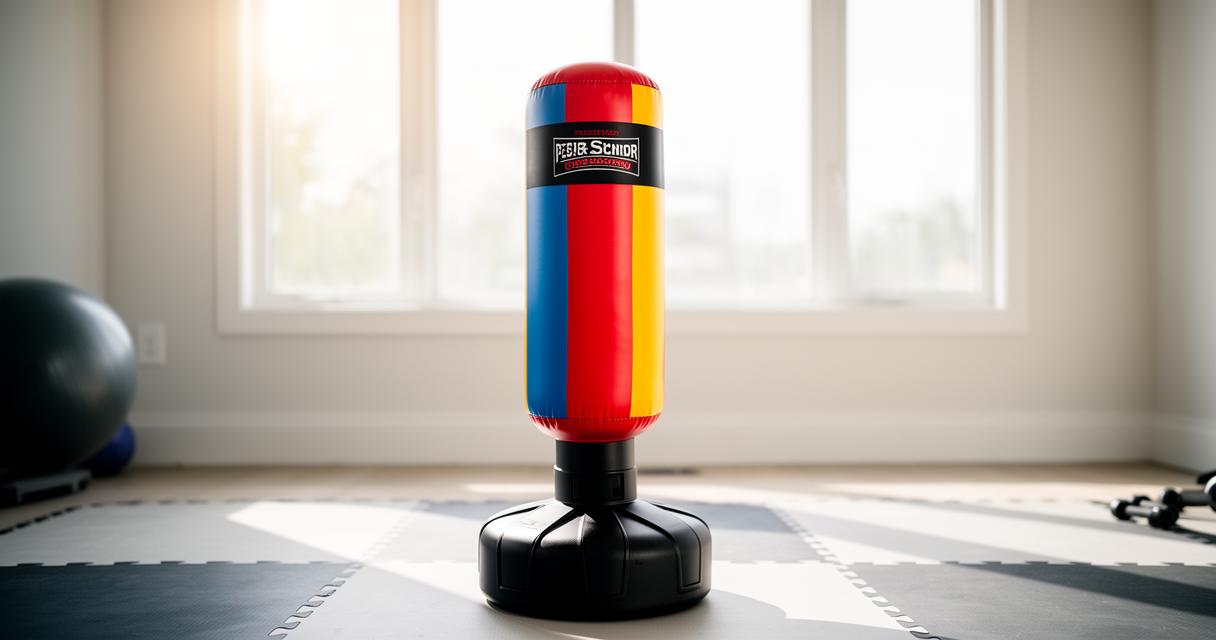
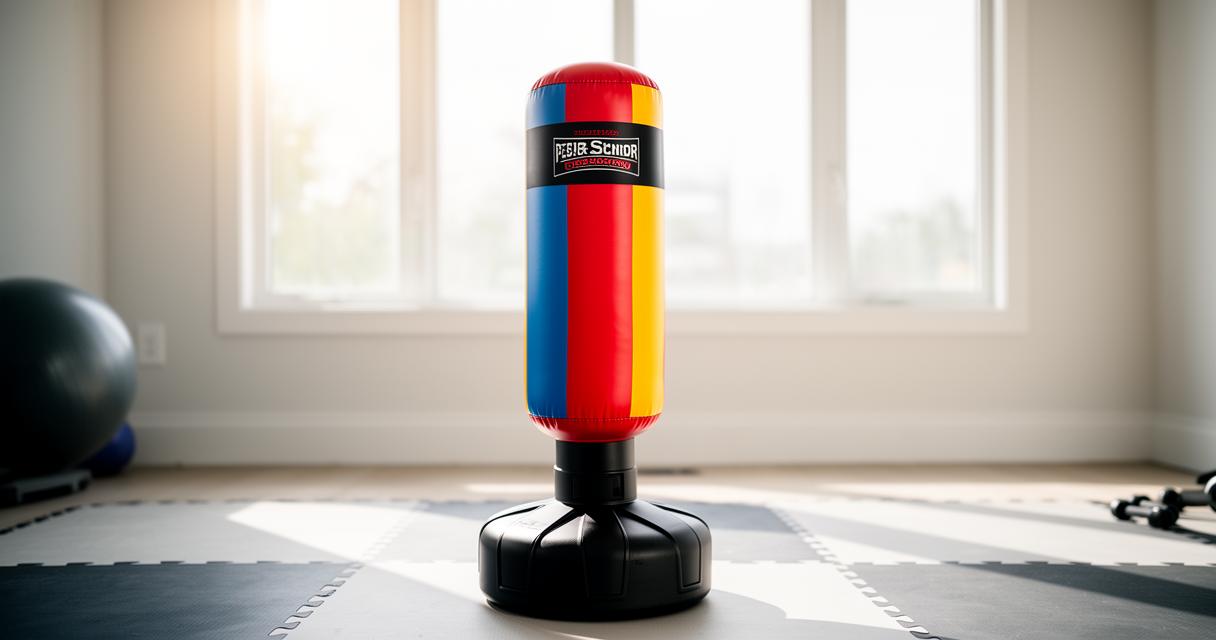
Boxing training at home has become an increasingly popular way for children to develop physical fitness, coordination, and self-confidence without the need for regular gym visits. A punching ball offers young enthusiasts the opportunity to practise their technique, build strength, and release energy in a controlled environment. Selecting the appropriate equipment for junior boxers requires careful consideration of several factors, from construction quality to safety features, ensuring that the investment supports healthy development whilst remaining engaging and durable over time.
Essential Features to Consider When Choosing a Children's Punching Ball
When selecting punching bags for young users, understanding the specific requirements that distinguish children's equipment from adult models is paramount. The primary consideration revolves around proportionality and appropriateness for smaller frames and developing muscles. Unlike standard equipment designed for grown athletes, children's punching bags must balance challenge with safety, ensuring that the training experience remains both effective and enjoyable. The weight and dimensions of the equipment play a crucial role in determining whether a child can engage with it properly without risking injury or developing poor technique habits.
Adjustable height mechanisms and growth accommodation
One of the most valuable features in children's punching bags is the presence of adjustable height mechanisms that can accommodate growth over several years. Models designed specifically for youth training typically offer height adjustments ranging from seventy to eighty centimetres, allowing parents to modify the equipment as their child develops. The ideal bag height should position the striking surface approximately ten centimetres above the user's current height, ensuring that punches land at the correct angle for proper form development. This adjustability transforms a single purchase into a long-term investment that evolves alongside the young boxer, eliminating the need for frequent replacements as they mature. Free-standing bag designs often incorporate telescoping poles or adjustable mounting systems that make these modifications straightforward, requiring only simple tools or even tool-free adjustments. For families with multiple children of varying ages, this flexibility proves particularly valuable, as a single piece of equipment can serve different users effectively. The stability features accompanying adjustable models must also receive attention, as taller configurations may require additional base weight or wider footprints to prevent tipping during vigorous training sessions.
Material Quality and Construction Standards for Young Users
The construction materials used in children's punching bags significantly influence both durability and safety during boxing workouts. Genuine leather remains the gold standard for professional equipment, offering superior resistance to wear whilst providing a comfortable striking surface that responds naturally to impact. However, for home training with younger participants, high-quality synthetic materials often present a practical alternative, delivering adequate performance at more accessible price range points whilst still maintaining acceptable longevity. The fill material inside the bag deserves equal consideration, with softer compositions such as textile scraps or foam chips providing appropriate resistance for developing hands without creating excessive jarring upon impact. Bags designed for children typically weigh between six and ten kilograms, with this lighter specification ensuring that the equipment responds appropriately to strikes without overwhelming smaller frames. Some family-oriented models at approximately twenty kilograms can accommodate both children and adults, though these require careful supervision when used by younger participants to ensure the weight remains manageable. The stitching quality and seam reinforcement throughout the bag's construction determine how well it withstands repeated impacts over months and years of use. Double or triple stitching along stress points, reinforced hanging attachments, and quality zippers on any access panels all contribute to the overall robustness of the equipment, reducing the likelihood of premature failure that could interrupt training routines or create safety hazards.
Safety Considerations and Protective Equipment for Junior Boxing Training
Establishing a safe training environment for young boxers extends beyond selecting the appropriate punching bags to encompass protective equipment and proper supervision. The physical demands of boxing workouts, even at beginner levels, require adequate protection to prevent injuries that could discourage continued participation or cause lasting harm. Parents and guardians must understand that whilst the activity offers tremendous benefits for strength training, endurance training, and stress reduction, these advantages only manifest when proper safety protocols are observed consistently. The investment in quality protective gear should be viewed as essential rather than optional, forming an integral component of the complete training setup.
Selecting Appropriate Gloves and Hand Protection for Children
Boxing gloves designed specifically for youth training represent the most critical piece of protective equipment in any junior boxing setup. Unlike adult gloves, children's models feature smaller dimensions that fit developing hands properly whilst providing adequate padding to absorb impact forces. Gloves for beginner equipment typically range from six to eight ounces in weight, offering sufficient protection without creating excessive bulk that could impede proper technique development. The padding distribution within children's gloves should emphasise knuckle protection whilst maintaining enough flexibility to allow natural hand movement and fist formation. Quality gloves incorporate moisture-wicking liners that help manage perspiration during extended training sessions, reducing discomfort and the development of unpleasant odours over time. The closure systems on children's boxing gloves often feature velcro straps rather than traditional laces, simplifying the process of putting them on and removing them independently, which encourages responsibility and self-sufficiency in young athletes. Some comprehensive gift sets bundle punching bags with appropriately sized gloves and additional training accessories such as skipping ropes, providing a complete starter package that ensures all essential components are properly matched. When evaluating gloves, parents should verify that the padding remains firm yet responsive, as overly soft padding compresses too easily and fails to protect adequately, whilst excessively hard padding can create jarring impacts that discourage continued practice.
Understanding impact-absorbing materials and stability features
The internal composition and base design of children's punching bags directly influence both safety and training effectiveness. Impact-absorbing materials within the bag should provide enough resistance to develop proper punching technique whilst remaining forgiving enough to prevent injury to developing joints and bones. Bags filled with textile scraps, shredded foam, or specialised rubber granules offer varying resistance levels, with softer fills being more appropriate for younger children and those just beginning their martial arts equipment journey. The outer covering material also contributes to impact absorption, with certain synthetic materials incorporating cushioning properties that complement the internal fill. Free-standing bag models rely on weighted bases to maintain stability during use, with these bases typically designed to be filled with water or sand to achieve the necessary mass. Water-filled bases offer the advantage of easier setup and relocation, as they can be emptied when moving the equipment, though they may freeze in unheated spaces during winter months. Sand-filled bases provide superior stability and consistent weight regardless of temperature, though they create a more permanent installation due to the difficulty of emptying and refilling. The base diameter and overall footprint determine how resistant the bag is to tipping, with wider designs offering better stability but requiring more space requirements in the training area. Some advanced free-standing models incorporate suction cup feet or rubberised bottom surfaces that enhance grip on smooth floors, reducing movement during vigorous training sessions. For hanging bag installations, the mounting hardware quality and ceiling or wall mounting strength become paramount safety considerations, often necessitating professional installation to ensure secure attachment that can withstand repeated impacts without loosening or failing.
Purchasing Options and Maintenance Guidelines for Children's Punching Equipment
Navigating the marketplace for children's boxing equipment reveals numerous options across various retailers and price points. Understanding where to find quality products and how to evaluate different offerings helps parents make informed decisions that balance budget constraints with performance requirements. The availability of specialist boxing retailers alongside general sporting goods stores and online marketplaces creates a competitive environment that benefits consumers through varied selection and pricing structures.
Comparing models and price points across retailers including amazon
The range of children's punching bags available through retailers presents options suitable for different budgets and training goals. Entry-level models weighing approximately seven kilograms and measuring sixty centimetres in height can be found for around twenty-five pounds, offering an accessible starting point for families exploring whether boxing training suits their child's interests. Mid-range professional punching bags designed specifically for children typically feature fifteen-kilogram weights and eighty-centimetre heights, with prices approaching forty-three pounds for standalone bags. Comprehensive gift sets that bundle an eighty-centimetre, fifteen-kilogram bag with appropriately sized boxing gloves and additional training accessories reach approximately one hundred pounds, representing complete starter packages that eliminate the need for separate component purchases. Specialised models such as the Children's Punching Bag DBX Junior Red at similar specifications fall into the seventy-pound range, offering branded options with specific design features that may appeal to particular preferences. Amazon serves as a convenient platform for comparing these various options, with the marketplace's extensive selection allowing side-by-side evaluation of features, customer reviews, and pricing. The advantage of purchasing through established online retailers includes access to customer support, straightforward return policies typically extending thirty days, and often rapid shipping within twenty-four hours of order placement. When evaluating different models, parents should consider not only the immediate purchase price but also the long-term value proposition, including durability expectations, warranty coverage, and the potential for the equipment to grow with the child through adjustable features. Reading customer reviews provides insights into real-world performance that may not be apparent from product descriptions alone, highlighting common issues or particularly praiseworthy features that influence overall satisfaction.
Proper Care and Maintenance Routines to Extend Equipment Lifespan
Establishing consistent maintenance routines significantly extends the functional lifespan of children's punching bags whilst preserving safety and performance characteristics. Regular inspections should examine all structural components, including seams, hanging attachments, base integrity on free-standing models, and any adjustable mechanisms. Identifying wear patterns early allows for timely repairs or adjustments before minor issues escalate into safety hazards or equipment failure. The striking surface requires periodic cleaning to remove accumulated sweat, dust, and other debris that can degrade materials over time, with gentle soap solutions and damp cloths typically providing adequate cleaning without damaging synthetic materials or genuine leather. Allowing the bag to air dry completely after cleaning prevents moisture accumulation that could promote mould growth or material deterioration. For leather bags, occasional application of leather conditioner maintains suppleness and prevents cracking, though this treatment should be used sparingly to avoid creating excessively slippery surfaces. Free-standing bag bases filled with water should be checked periodically for leaks and may benefit from occasional emptying and refilling to prevent stagnation, whilst sand-filled bases typically require minimal maintenance beyond ensuring the cap remains securely fastened. The training area around the equipment should maintain adequate space requirements, with approximately one and a half metres of clearance in all directions preventing collisions with walls, furniture, or other objects during use. This spacing also allows for proper movement patterns and footwork practice that complement stationary bag work. Rotating the bag periodically, if possible, distributes wear more evenly across the striking surface rather than concentrating damage in a single area. For hanging installations, periodic verification that mounting hardware remains tight and secure prevents accidents caused by loosened attachments. Boxing gloves require their own maintenance routine, including airing out after each use to manage moisture and prevent odour development, occasional exterior cleaning, and inspection of padding integrity and closure systems. Storing equipment properly when not in use protects it from unnecessary environmental exposure, with cool, dry locations away from direct sunlight being ideal for preserving material properties. Teaching children to participate in equipment care instils responsibility and respect for their training tools whilst ensuring that safety checks become routine rather than overlooked. By implementing these straightforward maintenance practices, families maximise their investment in children's punching bags, ensuring that the equipment remains safe, functional, and effective throughout years of youth training and development.